The Japanese lotion that is not lotion
In Japan, lotion means a watery hydrating step that goes on before moisturiser. Mistaking the two is why imported routines quietly stop working.
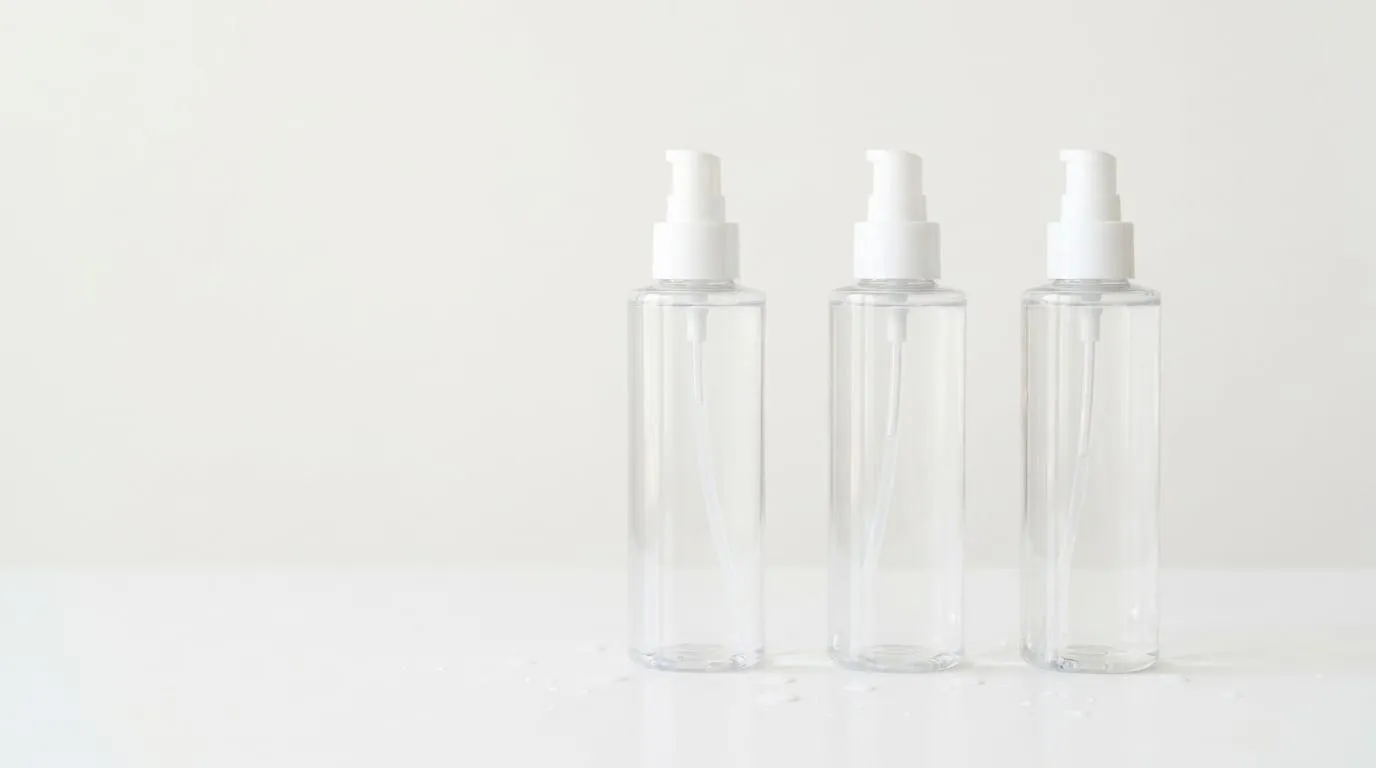
If you have ever bought a Japanese skincare product called a “lotion”, brought it home, used it as your moisturiser, and concluded that Japanese skincare is overrated and does nothing — this post is for you. You did not use a bad product. You used a good product in the wrong slot.
The word is doing something different
The Japanese word on the bottle is 化粧水 — keshousui, literally “cosmetic water”. When those products are labelled in English they are almost always called lotion, and that is where the confusion starts, because in American English a lotion is a moisturiser: something creamy, at the end of a routine, that seals everything in.
化粧水 is not that. It is a water. It is the step immediately after cleansing, it is thin, and its job is to get water into skin that has just been stripped of it — not to keep it there. Keeping it there is the next step’s job.
The English word “toner” is a closer match, but not a good one either. Western toners historically meant an astringent that stripped oil, often with alcohol in it, used to squeak your face clean. That is close to the opposite of what a Japanese lotion does. If you need one English word, use hydrating step.
Where it goes
The order that Japanese routines assume, at its simplest:
- Cleanse — remove the day
- Lotion (化粧水) — put water in
- Emulsion or cream (乳液・クリーム) — stop the water leaving
- Sunscreen, in the morning
Everything else — essences, serums, packs — slots between 2 and 3. If you take only one thing from this post, take the sequence. Lotion, then something to seal it. A lotion on its own, especially in a dry climate or an air-conditioned office, will mostly evaporate and take some of your own moisture with it, which is precisely the “this did nothing” experience people report.
How you actually apply it
Not on a cotton pad. Not swiped.
Pour a coin-sized amount into your palms, warm it for a second, and press it into your face with your hands. Press, do not rub. Then — and this is the part that is genuinely different — do it again. Two or three thin layers of lotion work better than one thick application, and the second layer goes on while the first is still slightly damp.
This takes about twenty seconds and it is the single biggest technique difference between a Japanese routine and a Western one. Cotton pads waste product and drag at skin. Switching to hands is the change that finally made this step do something for me, and it costs nothing to try.
The blue bottle of Hada Labo Gokujyun is the one to start with. It is the best-selling lotion in Japan by a wide margin, and it is the one I have kept rebuying — I am on my fifth or sixth bottle now, which is the most honest review I can give anything.
It is unscented, uncoloured, slightly viscous in a way that feels almost like a very thin syrup, and it sinks in within seconds. There is nothing clever about it. It is the plain white bread of Japanese skincare, and I mean that as praise: you can put it under anything, it does not conflict with anything, and a bottle lasts months.
The one-page Japanese drugstore shopping list
Every product on this site that is worth your money, on a single page you can screenshot before you shop. Plus a note when a new post goes up.
Setup needed. Add your
Kit form ID to KIT_FORM_ID in src/consts.ts and this becomes a working signup form.
Instructions are in the README under "Turning on the email list".
When to reach for the gold bottle instead
The Premium version is thicker and has more slip. Through summer I do not want it — it takes too long to sink in when it is hot and humid. From about November it is the better bottle, and if you are somewhere with real winter, indoor heating and low humidity, it may be the only one you want. I keep both and switch over around the end of October.
The gap between them is smaller than the price gap suggests. Start with the blue one.
The thing nobody tells you
Use more than feels reasonable.
Western skincare trains you to be sparing, because Western products are expensive per millilitre and often rich enough that too much just sits on the skin. A 170ml bottle of Gokujyun is around twelve dollars. It is designed to be used generously and priced to be used generously. If a bottle is lasting you six months, you are using roughly a third of what a Japanese routine assumes. That was my mistake for the whole of my first bottle.
Next: the step that comes before all of this, and the one Japan actually invented — double cleansing.
Everything mentioned
2 items
Prices are what I last paid or last saw on the shelf. They move.
Before you go: the one-page japanese drugstore shopping list
Every product on this site that is worth your money, on a single page you can screenshot before you shop. Plus a note when a new post goes up.
Setup needed. Add your
Kit form ID to KIT_FORM_ID in src/consts.ts and this becomes a working signup form.
Instructions are in the README under "Turning on the email list".